Storytelling is the heart of PR – but what happens when the machines power-feeding our tools start eating the physical sources of human culture?
We’ve covered the resource-guzzling data centres consuming vast resources. But can anyone summon more outrage for the latest threat to our literary heritage? Meet ‘digital cannibalism’.
Part One: What’s It All About?
Since late 2024, AI labs and data-scraping firms like Anthropic have been quietly buying physical books on an industrial scale. Unsuspecting secondhand booksellers across the US, UK, and Ireland had been celebrating an unprecedented sales boom.
Bulk buyers were placing automated orders for tens of thousands of titles at a time, clearing out entire back rooms and warehouses. But the euphoria quickly turned to horror when dealers discovered where those volumes were actually headed: straight to industrial processing hubs like Amazon’s processing facilities in Nevada. It was dubbed ‘Project Panama’.
Hydraulic guillotines chop off the bound spines, high-speed feeders scan the loose pages, and the paper is immediately pulped. Millions of books—including out-of-print, niche historical, and academic texts are being permanently destroyed. Centuries of human literature, evaporated to reappear as a generic AI summary or a chatbot prompt.
Part Two: Real Research vs. The Algorithm
Who among us doesn’t rely on scrolling through AI-driven web content? But digital menus will never be a true substitute for three-dimensional research.
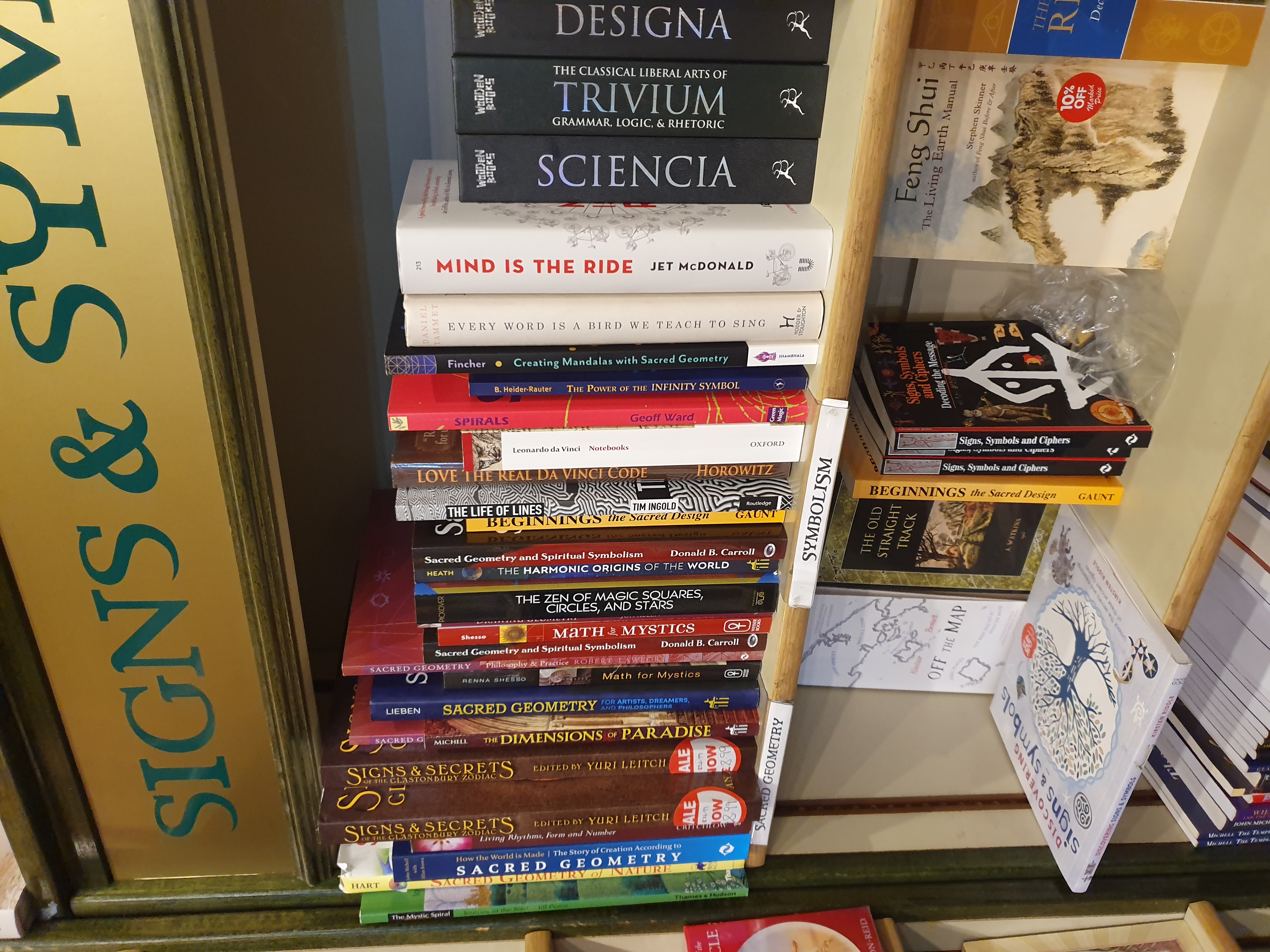
Compare screen-scrolling to stepping into a room full of real bookshelves:
*Serendipitous Discovery: The physical act of proper browsing—stumbling across a dust-jacketed volume on botany or an illustrated atlas of 19th-century trade routes that you weren’t looking for, but which completely nails your campaign strategy.
*Human Expertise: The joy of interacting with genuine domain experts—shop owners, librarians, archive guardians—who point you toward the obscure and unexpected. Experts and collectors focus on books published before 1920, before many of our modern cultural norms underwent dramatic shifts.
*The Agency Reference Room: Back in the day, most full-service ad agencies kept a creative reference library. I recall shelves stocked with heavyweight art books, rare titles, obscure subculture zines, cartoons, and architectural photography journals.
Creatives didn’t just hunt for answers; they got lost in ideas. I recall many rookie trips to Foyles and Stanfords in London to scoop up as many volumes as I could carry back to the agency floor.
Part Three: Reinventing Ancient Technology
History is littered with the devastating loss of written knowledge. Shouldn’t we know better by now?
- The Library of Alexandria: Where centuries of classical wisdom went up in flames.
- The House of Wisdom in Baghdad: Sacked in 1258, where so many scientific and philosophical manuscripts were thrown into the Tigris that the river allegedly ran black with ink.
- The Maya Codices: Destroyed by Bishop Diego de Landa in 1562, wiping out entire written histories of Mesoamerican astronomy and mathematics in a single afternoon.
Today, modern science and agriculture are constantly trying to play catch-up with ancient technologies – from advanced Roman concrete formulations to ancient Indigenous irrigation, crop rotation, and Amazonian super-soils – that were forgotten simply because we stopped looking at the original records.
When rare books are pulped for training AI, we aren’t advancing human knowledge. We’re replacing the original masterworks with a machine version.
Part Four: The Social Media Tsunami (BookTok & Bookstagram React)
Unsurprisingly, the internet’s most passionate reading communities are in open revolt over “destructive scanning”:
- #BookTok Outrage: Creators have posted viral videos showing furious rants over images of shredded book spines, calling the practice “dystopian book burning re-packaged as tech progress.”
- Bookseller Horror: Independent booksellers and antiquarians expressed disgust after realising bulk ISBN orders were destined for scan-and-shred facilities. As one secondhand dealer noted: “It clears inventory, but the idea of rare out-of-print texts being pulped for a chatbot is sickening.” Some cancelled game changing high value orders.
- Author Backlash: Authors and scholars point out the obvious: tech firms choose the guillotine because it’s cheaper. As one popular commentary summed it up: “They aren’t saving the knowledge; they’re holding it hostage inside a black box while burning the physical proof.”
Part Five: How Creative Industries Can Lead the Stand
As an industry that shapes modern culture, we cannot sit back and passively consume digital data. We thrive on original thought, so we must surely preserve original data.
Here are four practical initiatives every agency can install today
:*Build an In-Office Library: Dedicate budget to sourcing real books, art annuals, rare magazines, and print collections for the agency floor. Make physical browsing a visible part of the briefing process.
*Protect Dedicated Reading Time: Introduce a mandatory “Off-Screen Hour” each week where strategists and creatives step away from laptops, smartphones, and pitch decks to read physical books.
*Set up Book Clubs: Host monthly sessions centred on non-marketing literature—history, fiction, philosophy, and biography—to broaden perspectives and beat the echo chamber.
*Sponsor & Adopt Local Independent Booksellers: Partner directly with local secondhand shops and independent libraries. Fund their archives, source client gifts from them, and guarantee that rare volumes stay on shelves, not in shredders.